
CHAPTER 1: KEY ACHIEVEMENTS IN 2025
30 years of progress in science and medicines in the European Union

In 2025, EMA celebrated its 30th anniversary. Since the Agency’s creation on 26 January 1995, the healthcare environment has undergone radical scientific, technological, legislative and societal change. Through it all, EMA’s mission has been consistent: to ensure that humans and animals in the EU have access to high-quality, safe and effective medicines when they need them.
The past three decades have, among others, provided a regulatory framework to support the development of medicines for rare diseases, medicines for children and advanced therapies, such as cell and gene- therapies. EMA and the EU regulatory network have set standards for transparency, as well as stakeholder engagement, including with the stakeholders who matter most: citizens and patients in the EU.
Looking back at the progress of scientific, regulatory and therapeutic advancement, it is hard to imagine what the next 30 years will bring. One thing is certain: EMA is well prepared to face these challenges, guided by science, collaboration and an enduring commitment to public and animal health.
Emer Cooke, EMA’s Executive Director
Over the years, the Agency has been given increasing responsibilities under EU legislation. Its role expanded significantly due to the COVID-19 pandemic, with a new extended mandate to tackle emerging challenges such as coordinating national responses to medicines shortages and supporting the development of innovative medicines – particularly in crisis situations, but also in preparation for emerging health threats.
Since its inception in 1995, EMA has served as the bedrock of medicine regulation in Europe. EMA's main contribution remains ensuring medicines in the EU are safe, effective and high quality. But EMA is now far more than just a regulatory body. It also drives innovation, fosters collaboration and supports healthcare systems in preparing for the challenges of tomorrow.
You are instrumental in getting new, innovative medicines to patients across the EU, and with the pharma reform, you should do it faster in the future.
Olivér Várhelyi, Commissioner for Health and Animal Welfare
Video: Overview of key milestones and achievements in the authorisation and safety monitoring of medicines for human and animal use in the EU.
This content is hosted by a third party. By viewing this external content, you accept the terms and conditions of youtube.com.
Celebrating 30 years of EMA
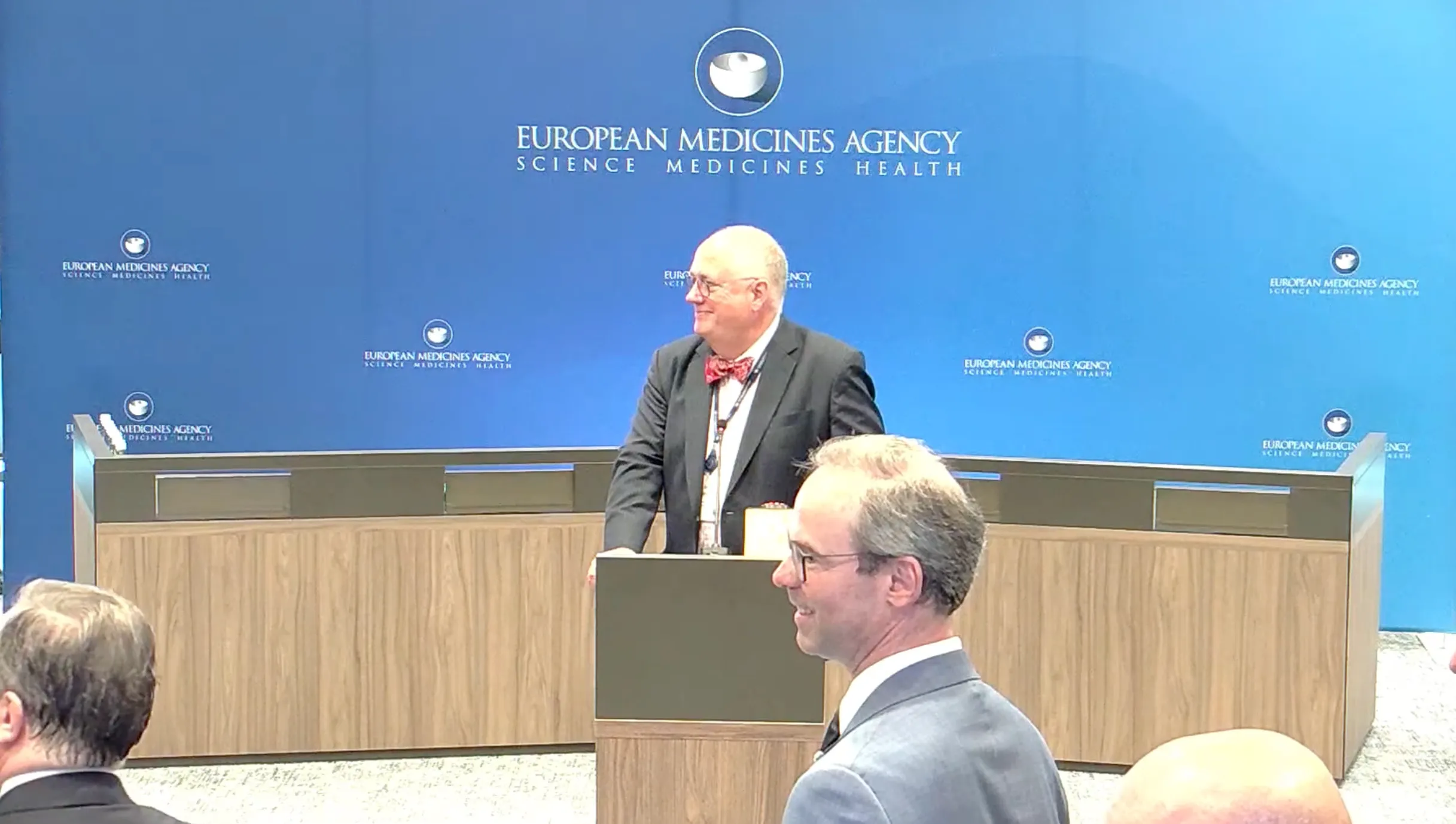
To mark its 30th anniversary, EMA organised a series of events in 2025 together with its stakeholders. The main anniversary event was a scientific conference hosted at the EMA building on 25 June 2025, which reflected on three decades of achievements in medicine and regulatory science, but also looked at trends, innovations and challenges for public and animal health.
The event was officially opened by His Majesty King Willem-Alexander of the Netherlands. Chaired by EMA's Chief Medical Officer, Steffen Thirstrup, the scientific conference featured keynote addresses, speeches and a panel discussion, which highlighted the Agency's pivotal role in safeguarding public health, mobilising Europe’s best scientific minds and shaping the future of medicines regulation. It was attended by over 350 participants from the European institutions and agencies, the European medicines regulatory network, international partners, patient and healthcare professional organisations, industry organisations, the Dutch government and others.
In May 2025, EMA hosted its first-ever public open-door day. The event was held on 9 May to mark Europe Day and the anniversary of the Schuman Declaration. During the day, 120 visitors representing the general public, academia, patients, university students, industry stakeholders and healthcare professionals were guided around the EMA building by Agency staff members. The tour included presentations by EMA subject matter experts on the evaluation and authorisation of medicines, medicines safety monitoring, veterinary medicines and One Health, the construction of the EMA building, and more. The visitors also had the opportunity to see the rooms where committee meetings are held, the 30th anniversary archives exhibition and the Agency’s 60-metre-high green wall.
A series of anniversary lunchtime talks for EMA staff members and delegates was organised throughout 2025. The sessions provided an opportunity for all participants to gain broader insights into EMA's contribution to innovative medicines development and scientific excellence, in collaboration with our partners and for the benefit of patients. They coincided with in-person committee meetings in the EMA building and featured speeches and presentations from topic experts, including committee chairs and EMA staff.
EMA also hosted the ICMRA summit and plenary meeting at its premises in Amsterdam from 21 to 24 October 2025. The meetings were attended by participants representing more than 40 international medicines regulatory authorities, as well as experts from the WHO as observer.
ICMRA is a voluntary, executive-level entity of worldwide medicines regulatory authorities set up to provide strategic coordination, advocacy and leadership. Every year, the summit programme is an opportunity for heads of medicines regulatory authorities from around the world to come together and discuss current and emerging issues facing medicines regulators and common global strategies to address them. Hosting the ICMRA summit and plenary meeting in Amsterdam underscored the Agency’s commitment to strengthening global regulatory cooperation.
EMA’s 30th anniversary coincided with anniversaries in a number of policy areas at EMA.
Video: EMA’s 30th anniversary scientific conference – Medicines, regulation and the future
This content is hosted by a third party. By viewing this external content, you accept the terms and conditions of youtube.com.
25 years of orphan medicines regulation
The year 2025 also marked the 25th anniversary of the EU Orphan Regulation. The Regulation has played a central role in facilitating the development and authorisation of medicines for rare diseases. These are often debilitating and life-threatening diseases that place a huge burden on patients and their families and carers and represent an enormous challenge for countries’ public health systems.
The EU’s orphan designation programme offers incentives to encourage companies to research and develop medicines that otherwise would not be developed, to help diagnose and treat patients with rare diseases. Since 2000, EMA has given orphan status to over 3,170 medicines. By the end of 2025, 278 medicines with orphan status received a marketing authorisation.
With the establishment of the Committee for Orphan Medicinal Products (COMP) in 2000, patient representatives were, for the first time, formally included in one of EMA’s committees. Today, representatives of patients, healthcare professionals and civil society take part in most of EMA’s scientific committees as full members, adding their unique perspective and experience to the debate. They play an increasingly important role in the assessment of the risks and benefits of medicines.
20 years of SME regulation
The 20th anniversary of the implementation of the SME Regulation was another policy milestone in 2025. Since 2005, EMA’s SME Office has helped small and medium-sized enterprises (SMEs) bring innovative medicines to market by offering financial and regulatory support.
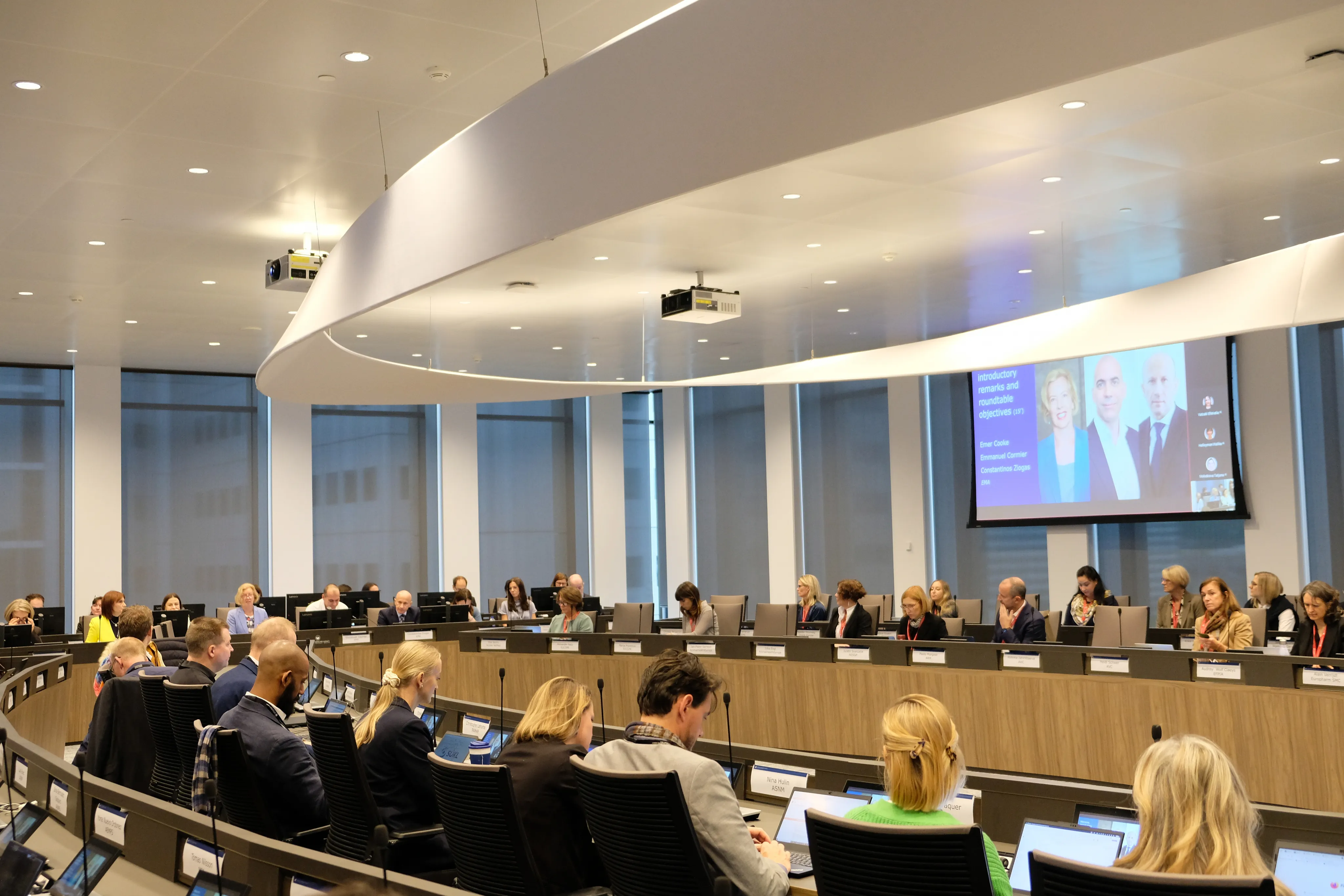
To mark this anniversary, EMA held a roundtable meeting with stakeholders on 17 October 2025. Representatives from the European Commission and the European medicines regulatory network joined EMA to present key achievements of the SME Regulation and share perspectives on EU support to SMEs in the pharmaceutical sector. Participants from SMEs, industry organisations, patients’ organisations, life science incubators and public and private investors also exchanged views on current challenges and future opportunities to foster innovation and support SMEs in the pharmaceutical and MedTech sectors.
With the establishment of the Committee for Orphan Medicinal Products (COMP) in 2000, patient representatives were, for the first time, formally included in one of EMA’s committees. Today, representatives of patients, healthcare professionals and civil society take part in most of EMA’s scientific committees as full members, adding their unique perspective and experience to the debate. They play an increasingly important role in the assessment of the risks and benefits of medicines.
2025 was a year to celebrate science, share our stories and renew our purpose. Anniversaries are not endpoints; they are reflection points. With gratitude for all colleagues' contributions, and confidence in our shared purpose, we carry this legacy into the years ahead.
Emer Cooke, EMA’s Executive Director