Meeting highlights from the Pharmacovigilance Risk Assessment Committee (PRAC) 9 - 12 March 2026
PRAC warns about known risk of aseptic meningitis with chikungunya vaccine Ixchiq
NewsHumanPharmacovigilance
Update to product information recommended to reflect recent evidence
EMA’s safety committee (PRAC) has completed its review of a safety signal of aseptic meningitis with Ixchiq (live attenuated chikungunya vaccine) and has recommended an update to the vaccine’s product information to reflect the most recent evidence related to this known risk.
The safety signal was started following a reported case of aseptic meningitis which occurred in a healthy young adult following vaccination with Ixchiq. Aseptic meningitis is an inflammation of the membranes that surround the brain and spinal cord, typically caused by viruses rather than bacteria.
Aseptic meningitis as well as encephalopathy and encephalitis (other disorders of the nervous system) are already listed in the product information of Ixchiq as known side effects with an unknown frequency (meaning that the available data do not allow estimating how often the side effects occur). Symptoms include confusion, sleepiness, fever, headache, seizures and neck stiffness. Anyone who develops these symptoms after receiving Ixchiq should seek medical attention immediately.
Ixchiq’s product information will now be updated to reflect that serious side effects, such as aseptic meningitis, have also been observed in healthy young adults. Previously, most reported cases had occurred in older people (over 65 years of age) or people with multiple long-term medical conditions.
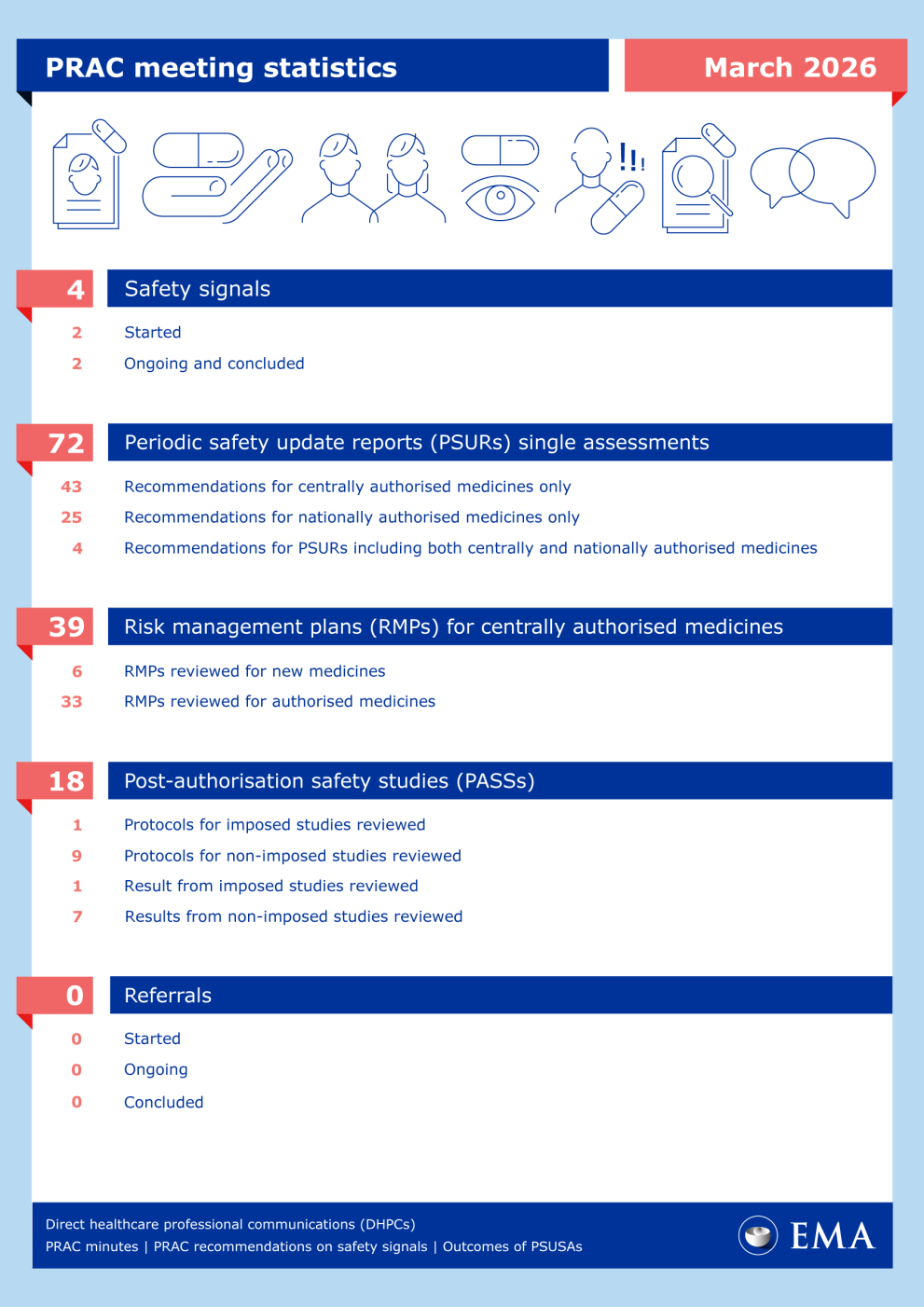
PRAC is also carrying out an evaluation of Ixchiq in the context of a regular 6-monthly PSUR (periodic safety update report) assessment, which will conclude in June 2026. This will allow assessing whether newly available information relating to the risk of aseptic meningitis, or any other emerging safety information, has an impact on the balance of benefits and risks of Ixchiq.
As for any medicine, the safety of Ixchiq is closely monitored and the recommendations for use will be updated if new, relevant information becomes available.